


Top 5 Dental Consequences of GLP-1 Use and How to Prevent Them


The drastic increase of GLP-1 weight-loss drugs like Ozempic and Wegovy have helped millions achieve weight-loss results that previously seemed unattainable. However, recent data has raised alarms from the dental professional perspective. Chronic use of GLP-1 can create five major dental pitfalls. Because not all users will have every symptom, each pitfall will contain the appropriate treatment for that specific condition:
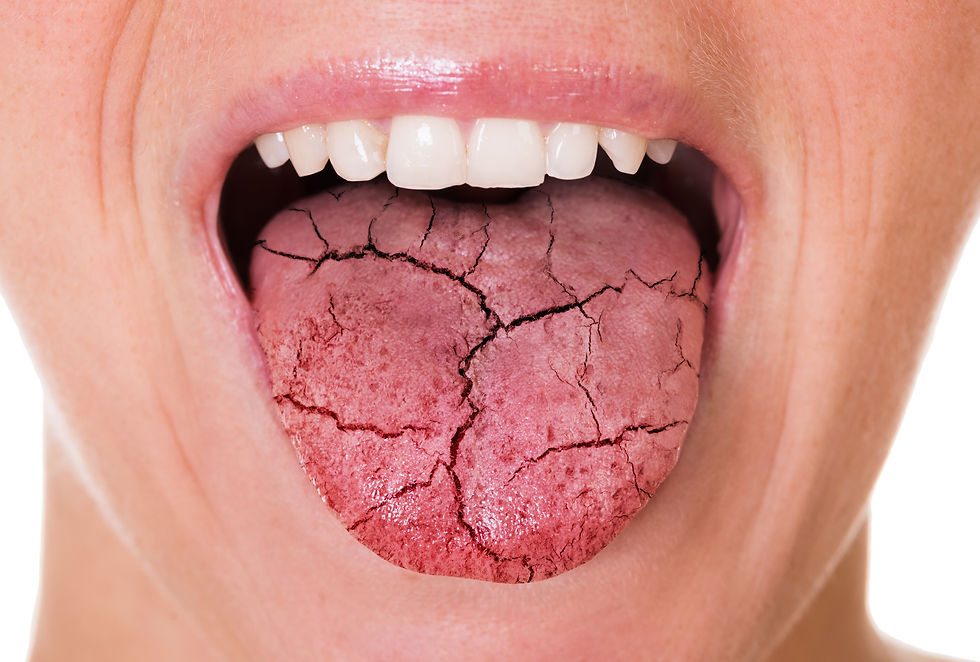
Pitfall 1: Increased Dry Mouth
30% of those using GLP-1 drugs complain of complain of dry mouth. This condition precedes further dental complications on this list and controlling saliva flow will substantially improve your oral conditions. Watch out that GLP-1 also creates thirst suppression so you will not feel the desire to drink water.
Treatment to Mitigate Dry Mouth Effects:
Use toothpaste and mouth rinses labeled “dry mouth.” Prescription toothpaste is highly recommended
Drink lots of water throughout the day
Chew gum that contains xylitol after eating
GC America Gel applied before bedtime
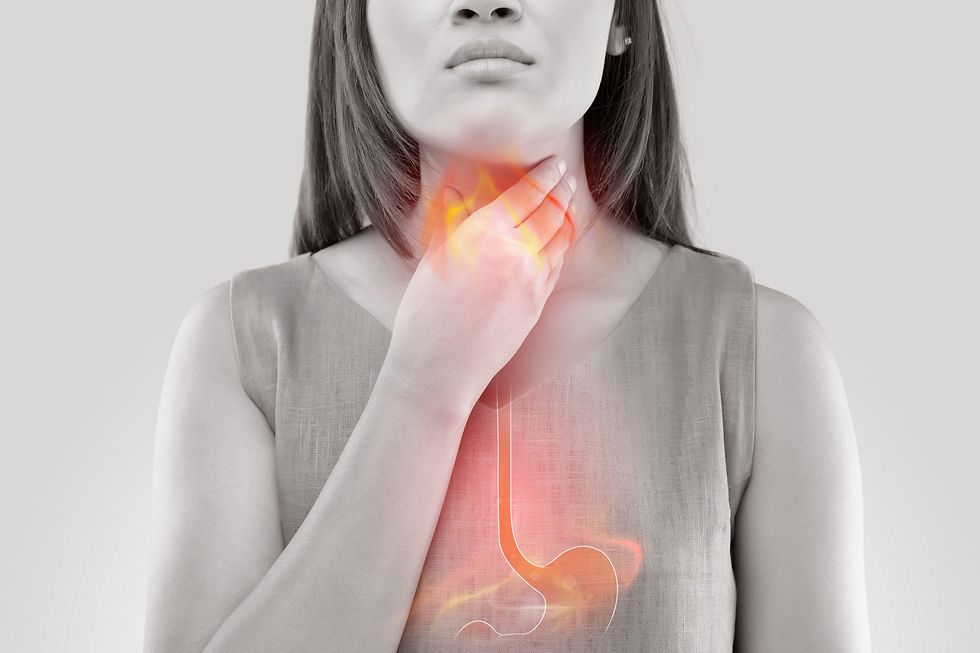
Pitfall 2: Chronic Acid Reflux
GLP-1medications slow stomach emptying and this leads to the stomach acids backing up. 44% complain about increased symptoms of nausea, vomiting, and acid reflux. The largest oral detriment is acid gets introduced chronically to the mouth leading to bad breath and rapid cavity formation.
Treatment to Mitigate Acid Reflux Effects:
Use a prescription toothpaste from your dentist or brush with fluoridated toothpaste
Do NOT brush within 30 minutes of vomiting or acid reflux (GERD episodes)
Drink water especially immediately after a GERD episode
Chew gum that contains xylitol after eating
Use an alkaline mouth rinse
Pitfall 3: Drastic Surge in Dental Cavities

GLP-1 makes eating a normal-sized full course meal rather difficult. Grazing becomes a staple habit of eating and this drastically increases the chances of rampant cavity formation almost regardless of how little or how healthy you eat. Your teeth need 30-120 minutes from your last bite to start a remineralization process. If you are constantly eating that allows more opportunity to feed the cavity-causing bacteria. Each snack or new sip of coffee resets that repairing clock.
Treatment to Mitigate Dental Cavities:
Use a prescription toothpaste. At minimum use toothpaste that contains fluoride
Drink water after your final bite of your eating episode
Don’t graze eating. If you need to eat every two hours, don’t snack in between. This includes sipping on coffee outside of your “meal times.”
Use a Waterpik to flush out impacted food
Pitfall 4: Ozempic Breath (Bad Breath)/Altered Taste

Surely by now you have heard of “Ozempic breath” or the “Ozempic burp.” This is an increase of sulfur compounds in the stomach that linger longer due to the medications. This is also enhanced from GI effects and dry mouth and leads to a noticeable difference in taste distortion of most foods!
Treatment to Mitigate Bad Breath:
Limit garlic and onion from your diet. Otherwise drink milk or green tea immediately after eating those
Use a Waterpik regularly
Drink lots of water throughout the day
Use an alkaline mouth rinse and avoid those that contain alcohol.
Use a tongue scraper

Pitfall 5: Inflamed Gums
GLP-1 leads to a deficiency in Vitamin B, C, D, and iron. Without these nutrients the gingiva breaks down easier becoming more flaccid, swollen, and collects more debris/bacteria. This leads to bad breath, cavity creation, infection, bone loss, and even facial profile distortion giving that Ozempic look.
Treatment to Mitigate Gingival Inflammation:
Take daily vitamins containing Vitamins B, C, D, and iron.
Eat more meat or protein-rich sources
Use a Waterpik regularly
Drink lots of water throughout the day
Use a tongue scraper
Regularly get your teeth cleaned by a dental hygienist every 3-6 months


Comments